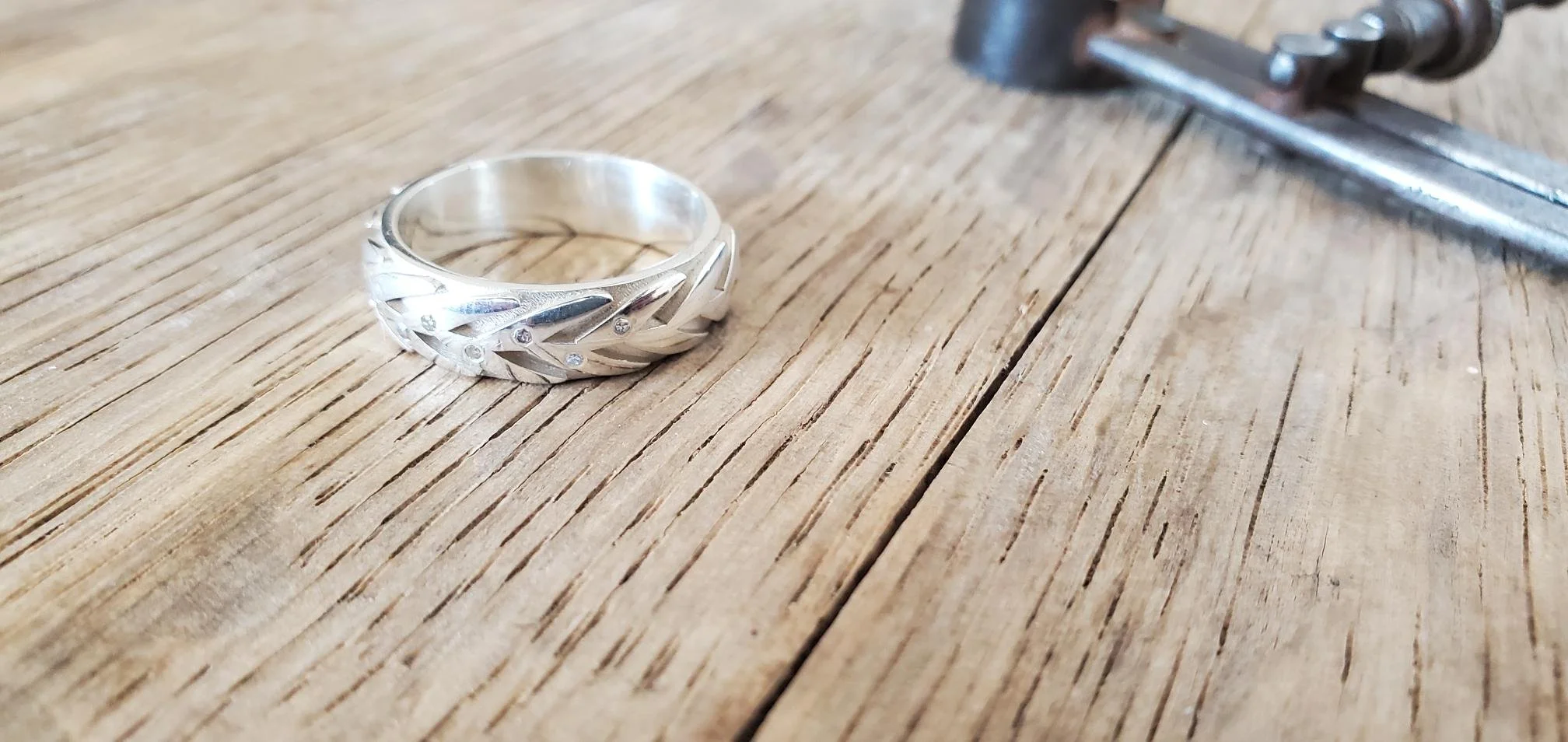
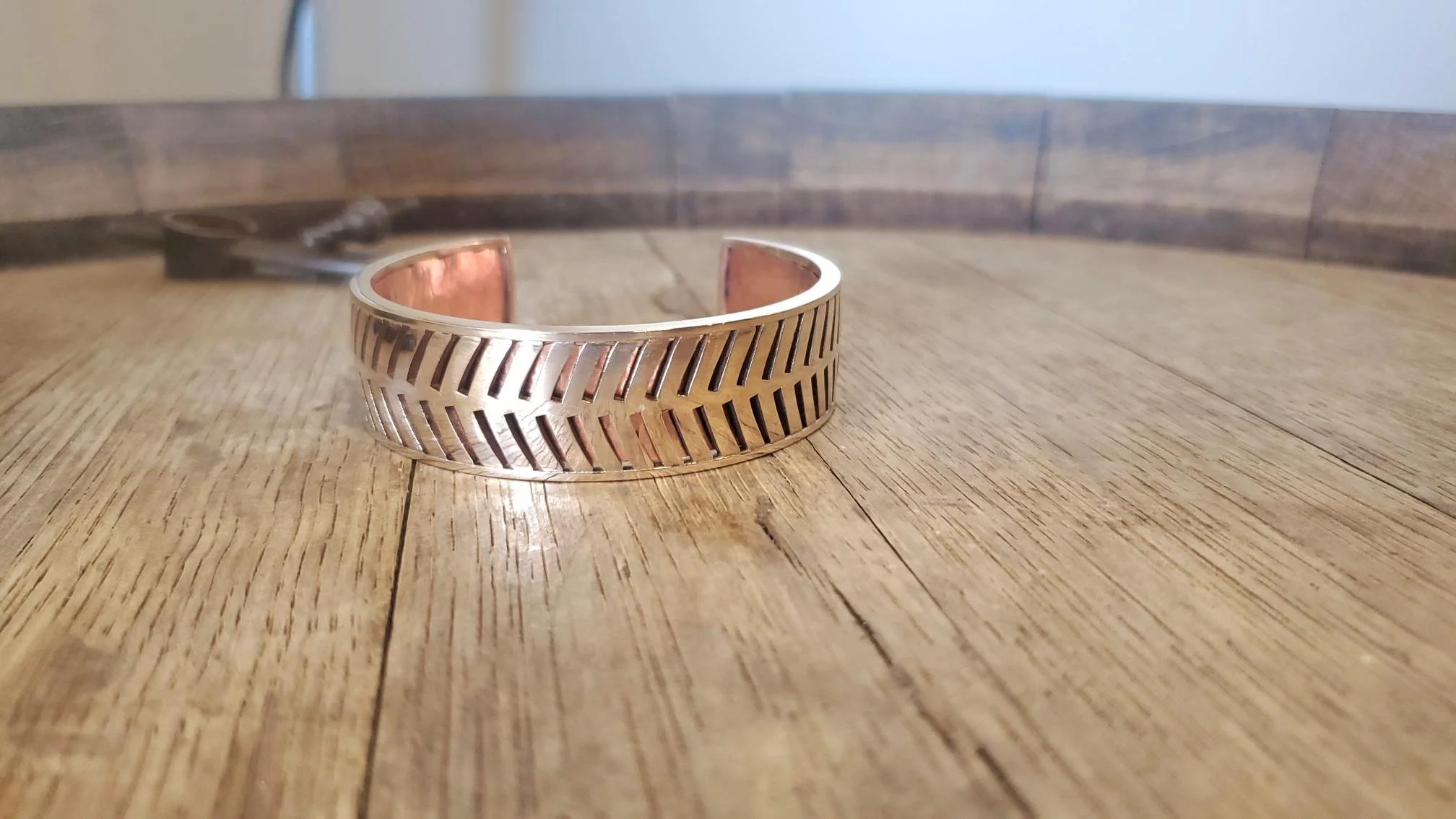
translating architecture into my jewellery.
The results of the Bauhaus school of art has always been part of my world.
The shapes of the wallpapers, the furniture, the staircases of old East German buildings around me as a child — clean lines, geometry, repetition, balance. Looking back, those forms quietly shaped the way I see design today and inspired me to begin my own Bauhaus journey as a jeweller and artist.
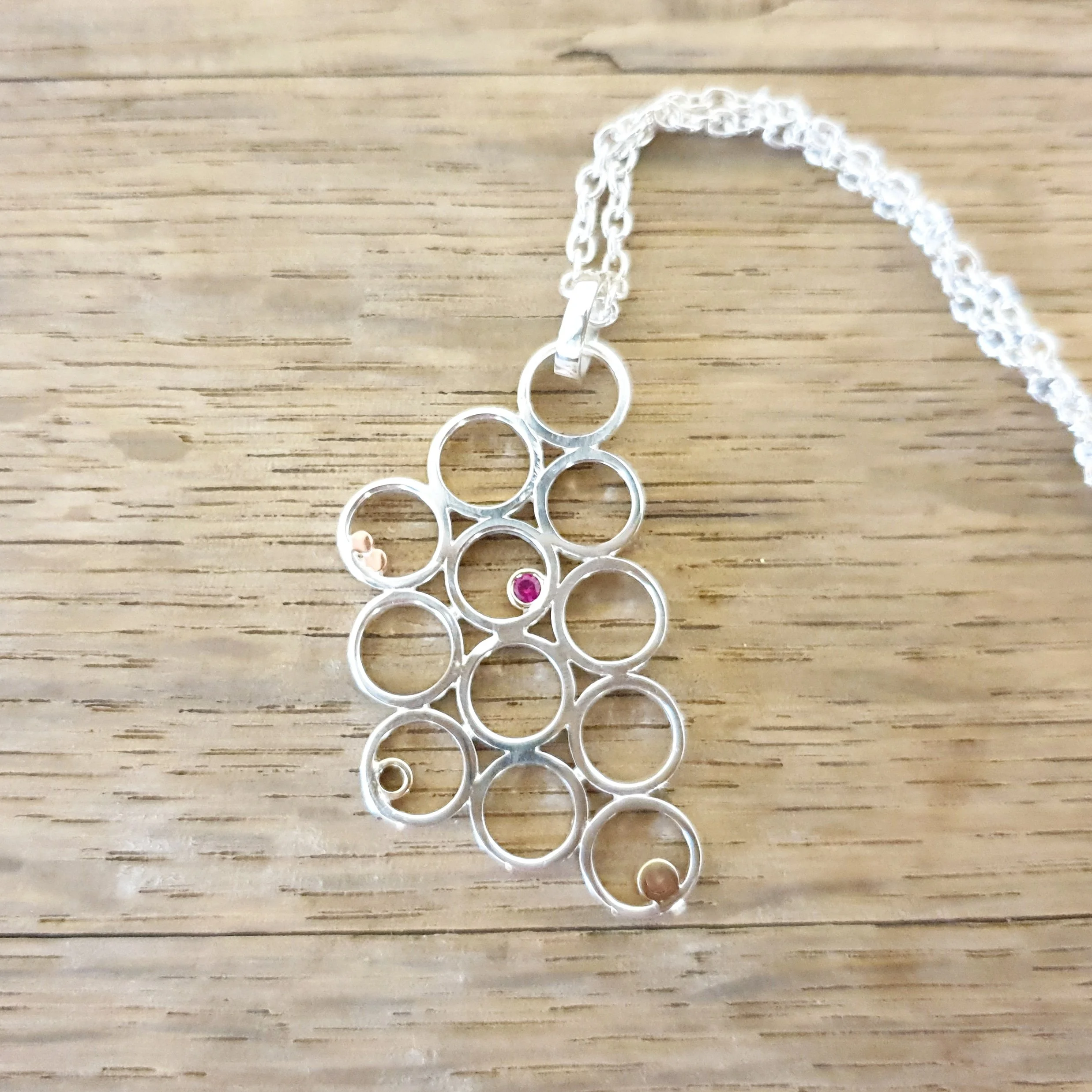
Over the years, this influence has found its way into my jewellery collections and exhibition pieces, with contemporary works in gold and silver exhibited throughout New Zealand and Germany.
If you are unfamiliar with the story of the Bauhaus art school and the movement that followed, I highly recommend taking an evening to explore its history. Watch the documentaries, visit exhibitions if you have the opportunity, or spend time with one of the many books written about it. What captivates me most is the idea of artists collaborating to make art functional, liveable, and accessible to everyday life.
From architecture and painting to weaving, metalwork, and typography, different disciplines worked alongside each other, allowing art and function to evolve together. I often imagine the passionate discussions between artists, the long hours of experimentation, and the frustration and excitement of trying to shape entirely new ideas as a collective.
This philosophy translates naturally into jewellery design.
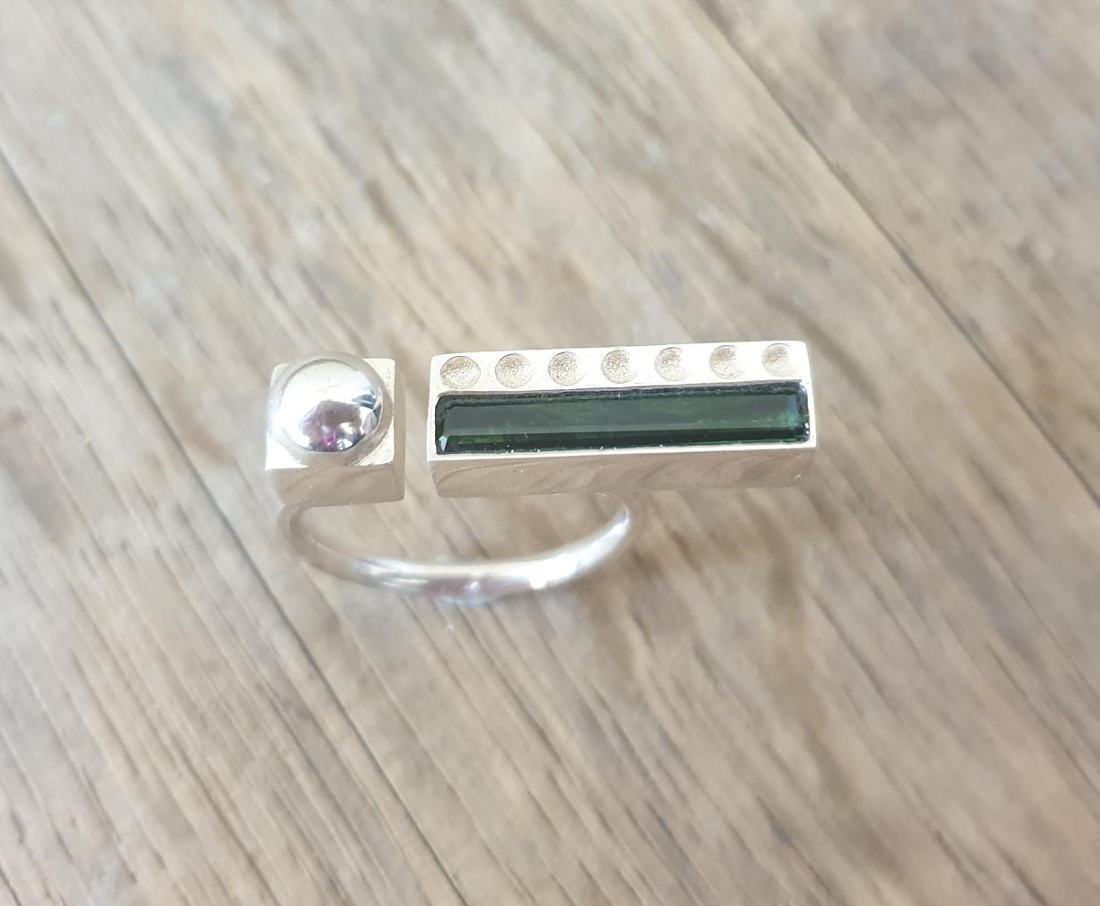
Creating shapes, balance, and negative space. Guiding the viewer’s eye — where to begin, where to pause, where the design should flow effortlessly or intentionally interrupt for a moment of reflection.
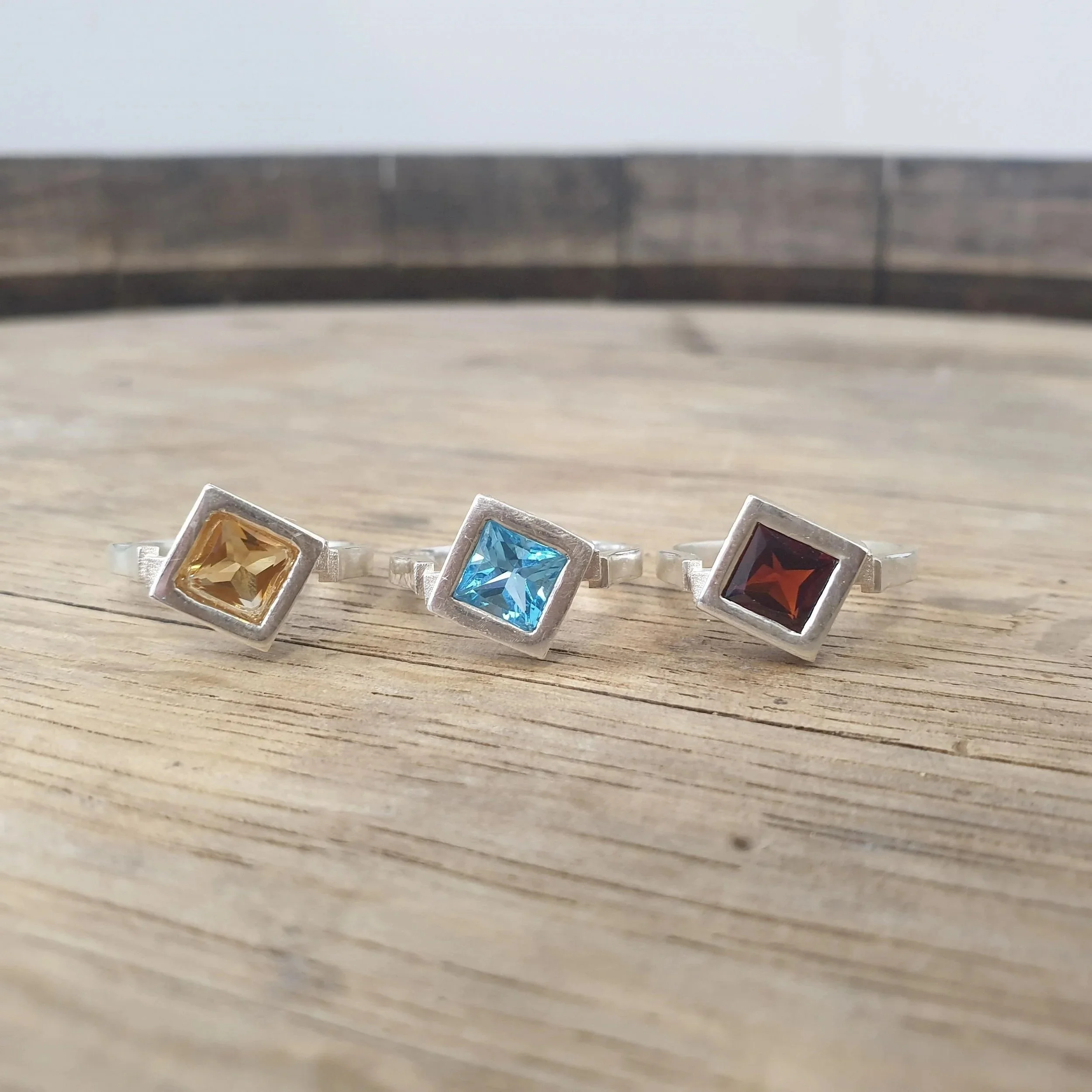
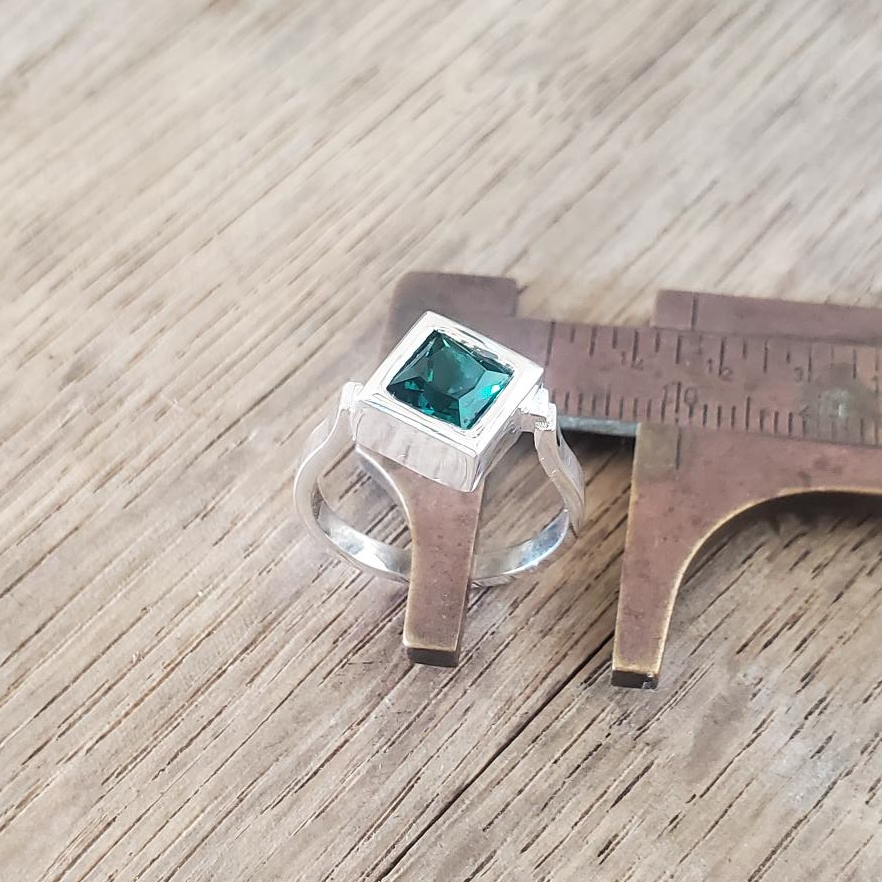
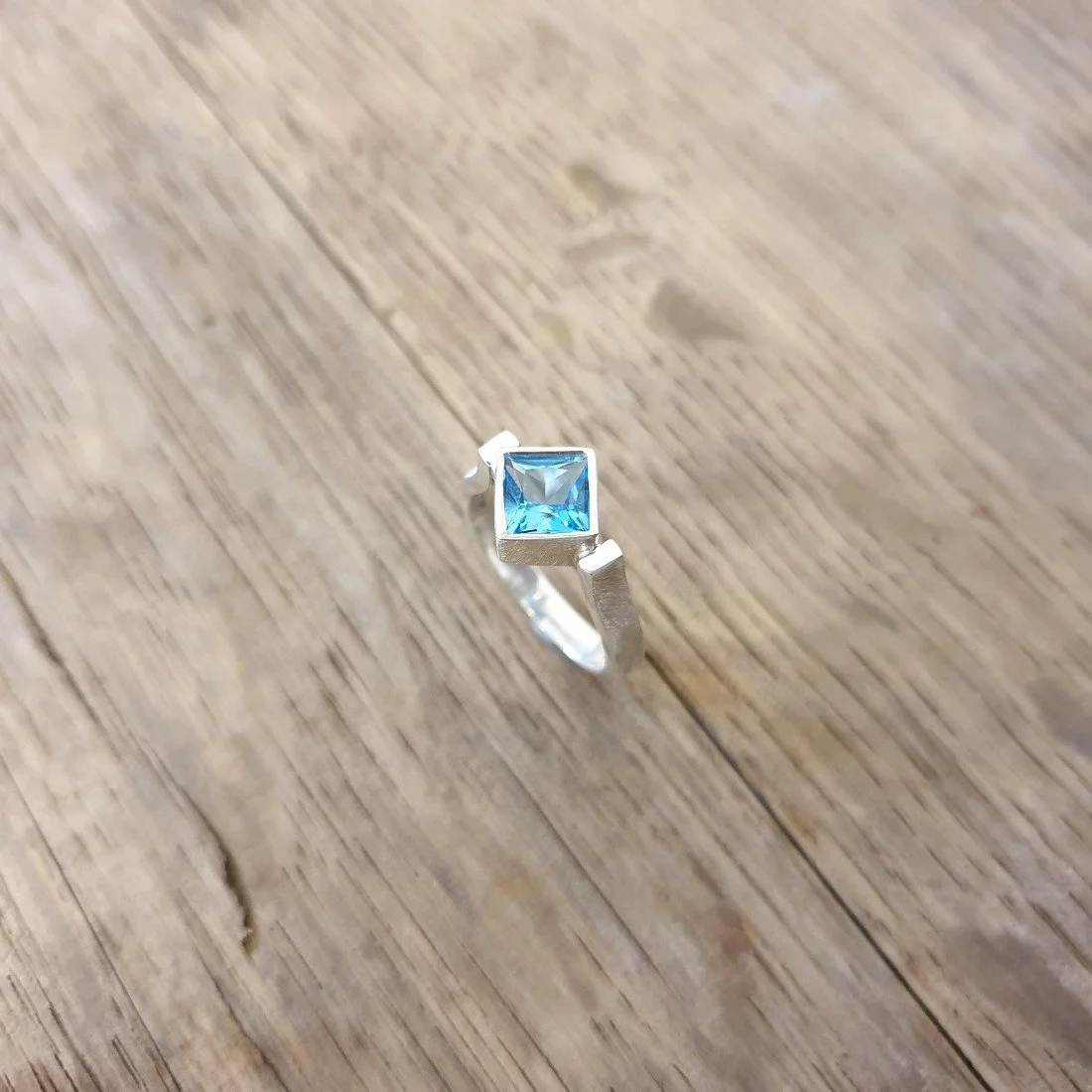
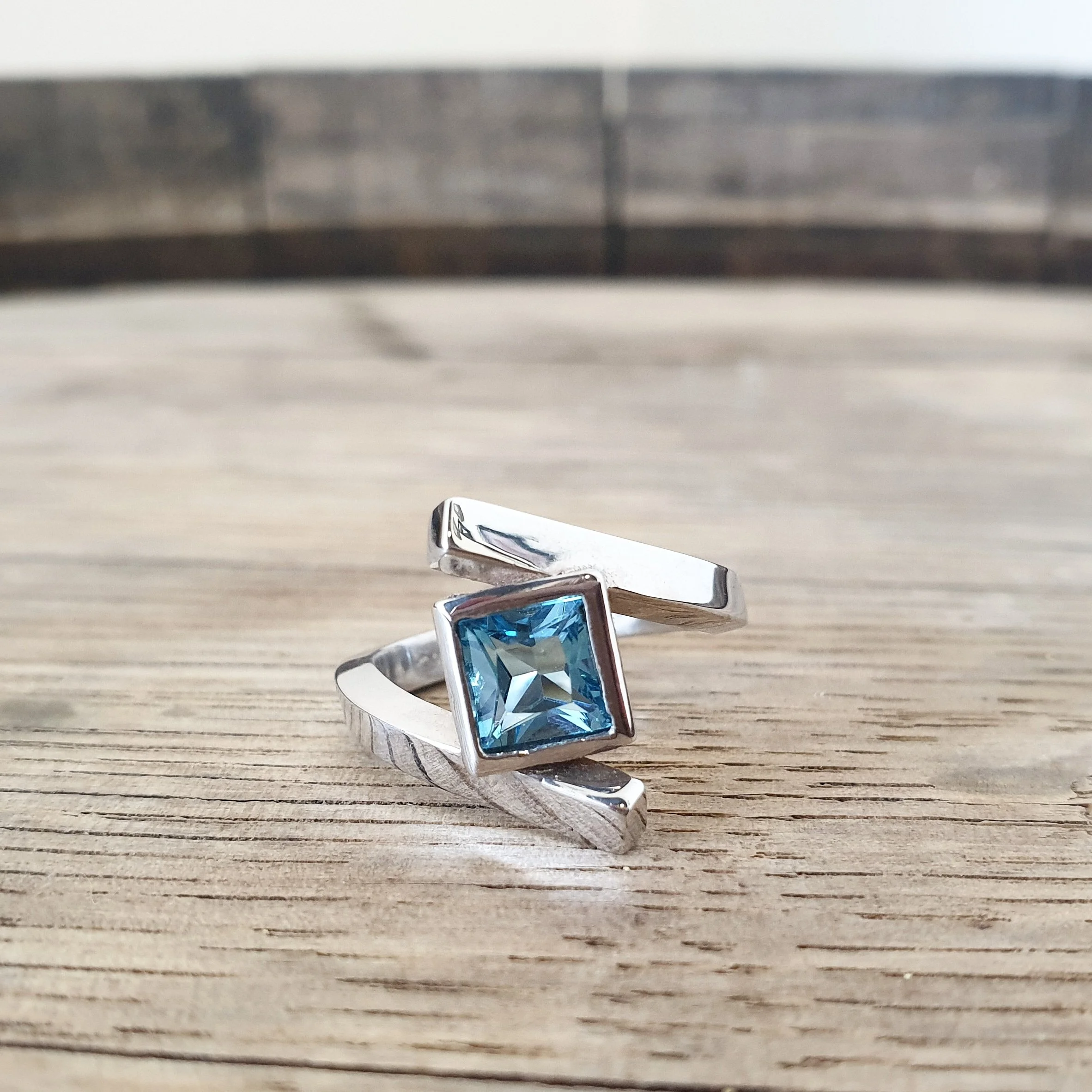
I entered the Jewellery Design Awards in Australia in 2019. At the time, I was a student in my final year and became a finalist with my Bauhaus-inspired sterling silver and blue topaz ring.
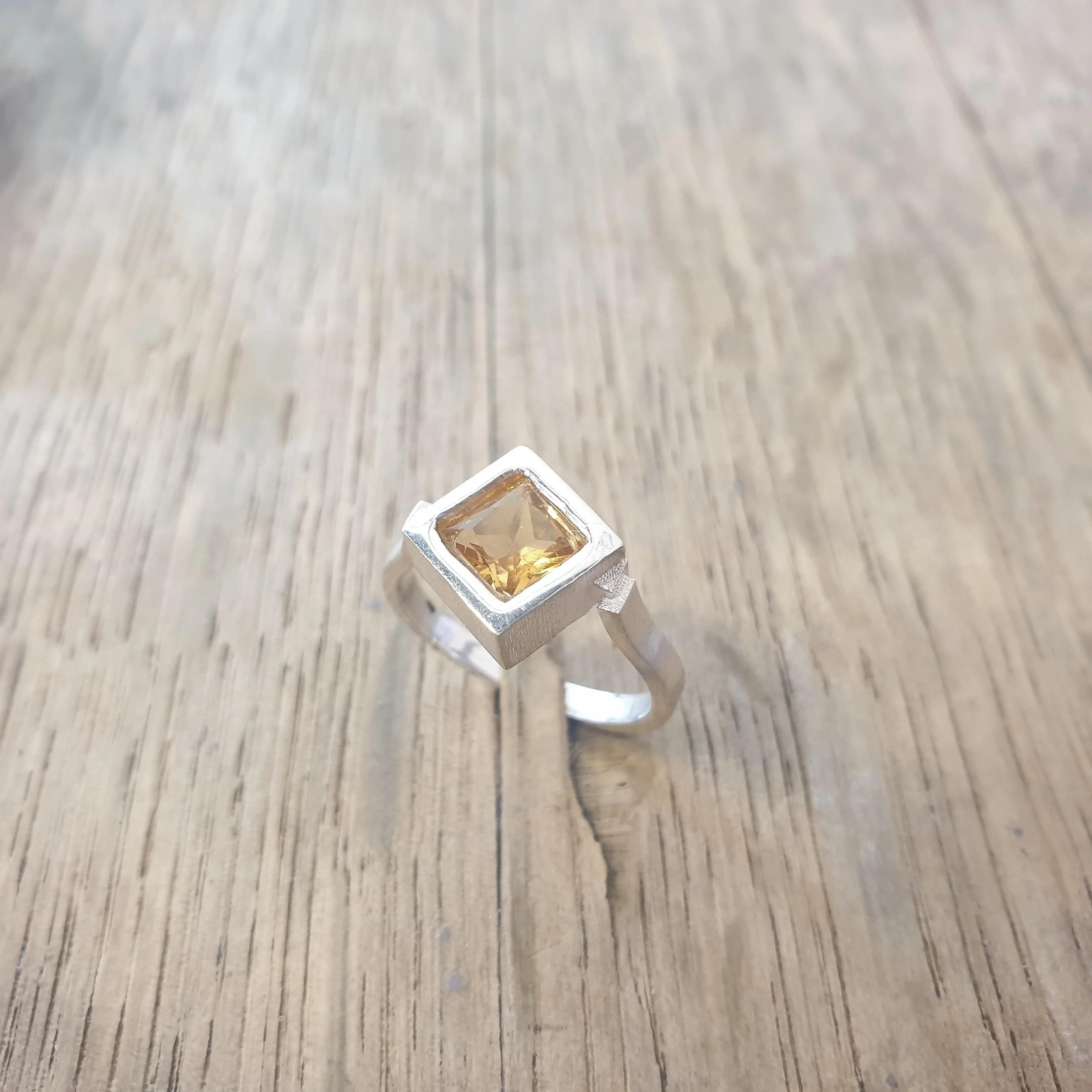
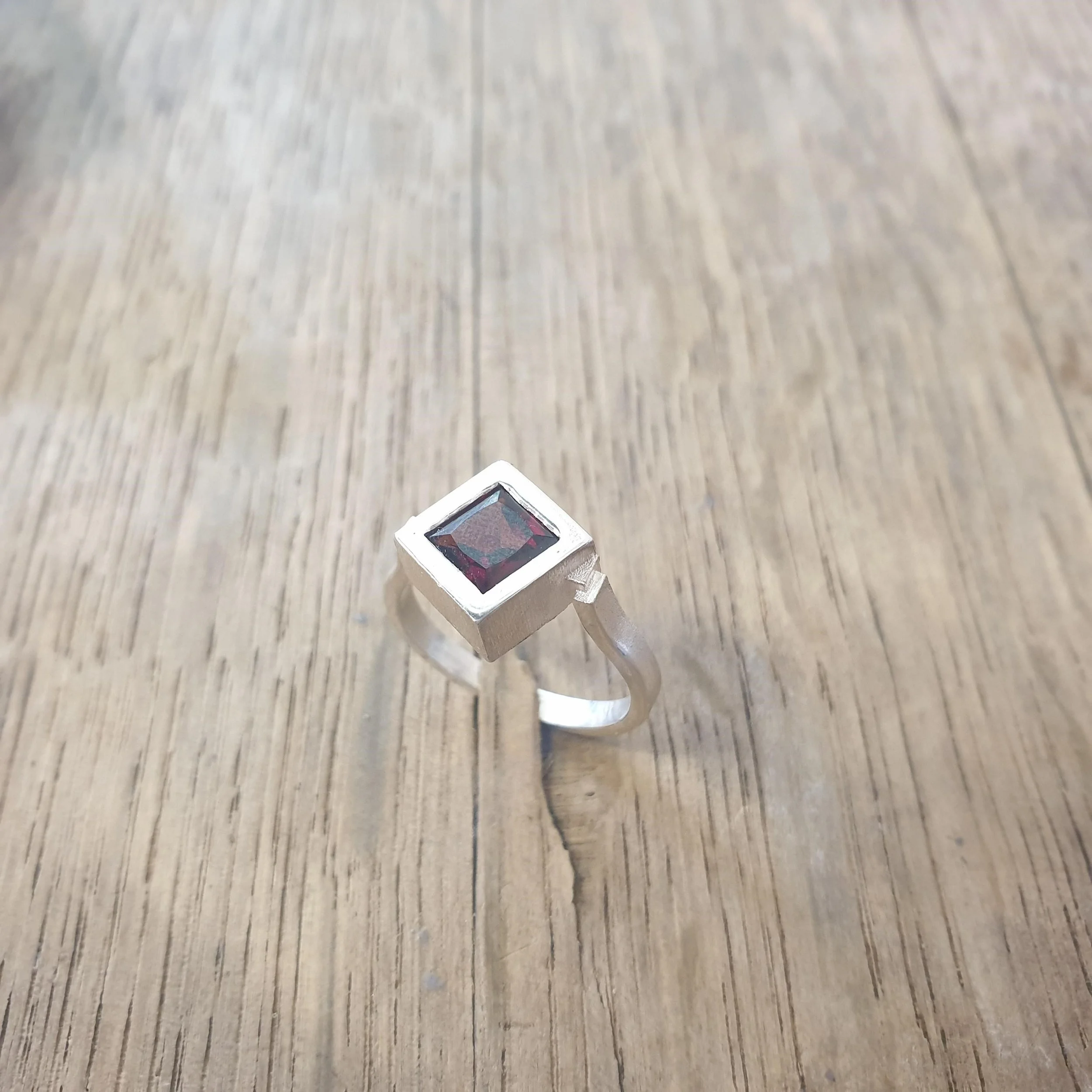
The ring was created entirely from scratch. I rolled out the silver for both the shank and the setting, then carefully marked and saw-cut the corners of a silver strip before filing it to achieve a precise bend. The princess-cut blue topaz I selected is not a perfect square but slightly rectangular — as many princess-cut gemstones naturally are. Their pointed corners are always at higher risk of breaking, making the setting process especially important.
The slight tilt in the setting became what defines this design for me and is one of the reasons I still personally love and wear the ring today. In saying that, I actually do not wear much jewellery myself, and rarely wear many of my own pieces.
As a manufacturing jeweller and goldsmith, I enjoy combining traditional goldsmithing techniques with modern design processes to create contemporary jewellery inspired by Bauhaus principles. My aim is to create elegant, wearable pieces in gold and silver that feel both artistic and functional — designed to be lived with and worn for generations.
The ring collection inspired by the three Bauhaus colours has achieved exactly that for me. Simple in appearance, yet with a subtle surprise in the tilted setting and staircase-inspired shank detail, creating a balanced piece of jewellery I never get tired of looking at.